Design-Led, Culture-Dead: Are We Designing Offices for People or for Aesthetics?
In today’s corporate world, bold aesthetics, striking materials, and cutting-edge finishes often take centre stage. Yet as workplaces become more visually impressive, an important question arises: do they truly serve the people who work within them? Beyond the surface appeal, the real measure of a workspace lies in the culture it fosters, the community it supports, and the everyday experiences it enables.
The most effective workplaces are those that support human behaviour, nurture collaboration, and reflect organisational culture. Observing how people move, interact, and focus reveals patterns that no spreadsheet or utilisation report can capture. By responding to these natural rhythms, spaces become productive, engaging, intuitive, and meaningful for the people who inhabit them.
Design Begins with People
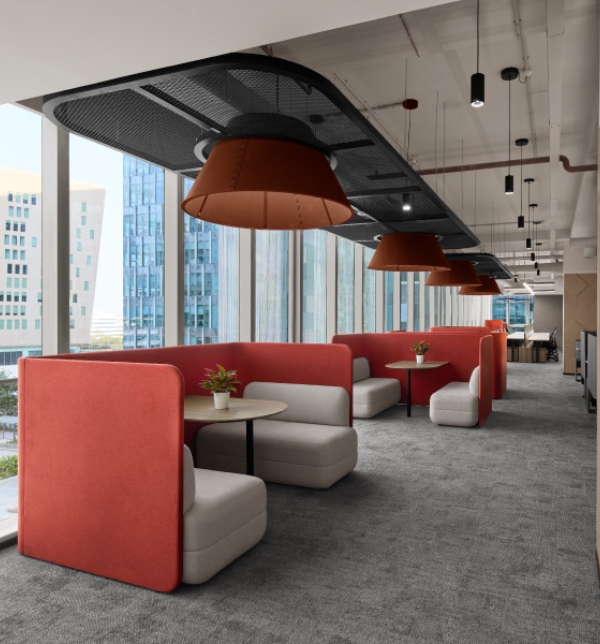
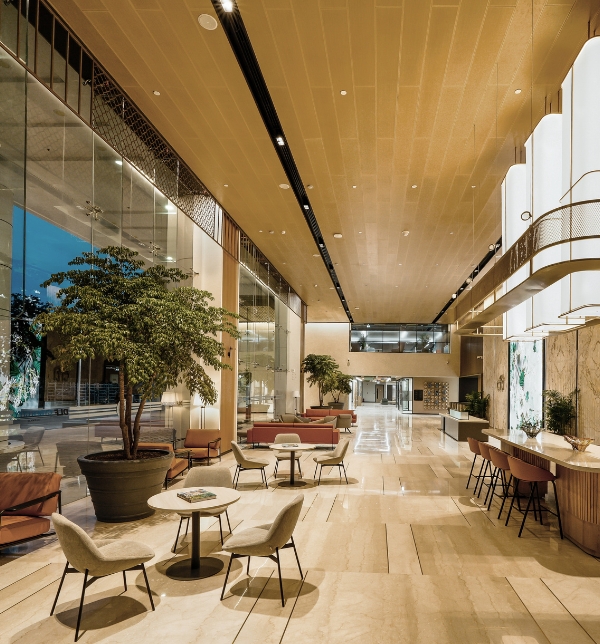
When teams are given a choice as to where to sit, how to collaborate, and when to retreat, the workplace starts feeling intuitive rather than imposed. Workstations that vary in size, height, and finish allow people to naturally find spaces that suit their tasks and comfort. Collaboration zones invite brainstorming and discussion without disrupting the rest of the floor, while quieter corners, focus pods, and wellness areas offer space to reset and return sharper. Daylight, circulation, materiality, and acoustic balance then work in the background, shaping comfort and productivity in ways that are felt more than noticed.
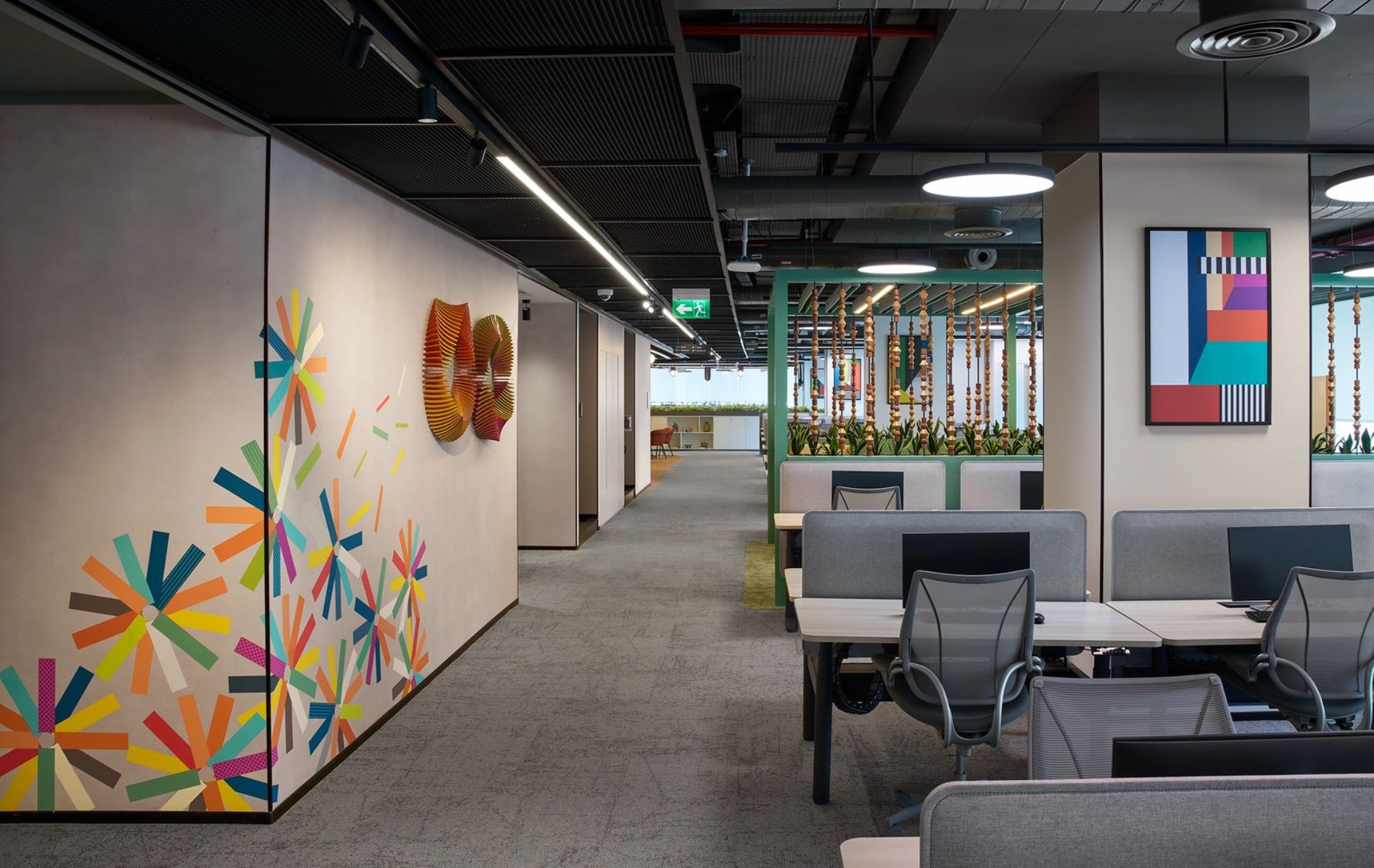
This is where the difference becomes clear. A visually striking office might look exciting, but if it doesn’t support the way people actually function, it starts feeling performative. At DBS Bank’s Hyderabad office, the layout is designed to feel agile and energetic, with workstations arranged in an organic, non-uniform manner. Nothing is rigidly repetitive. Work settings shift in scale and character, allowing the space to accommodate different personalities and workstyles. Collaboration zones are treated as spaces with distinct intent, supporting solitude, solo work, focus work, ideation, and engagement. Even elements like wall Scrabble or chess are added as cultural cues that encourage informal interaction and a stronger sense of everyday connection.
Similarly, Nielsen’s Mumbai workplace is layered with collaboration settings, focus zones, wellness corners, and multipurpose breakout spaces, creating an environment where people can shift gears through the day without friction. The use of colour and graphics supports wayfinding and identity, creating clarity across a large floorplate while still building a distinct workplace character that feels aligned with the teams using it. In both examples, the space is not trying to dominate the experience; it supports it.
Designing for Change, Not for a Moment
The other reason design-led workplaces fall short is that they are often created as fixed statements. They look impressive on Day One, but begin to feel restrictive as teams grow and work patterns shift. Today’s workplaces must respond to hybrid work models, evolving technologies, changing team structures, and expanding headcounts, without losing coherence.
At DBS Bank in Hyderabad, varied workstation geometries and open circulation patterns allow the space to remain dynamic and reconfigurable. At Nielsen in Mumbai, technology integration, ergonomic planning, and inclusive detailing support a hybrid-ready environment where teams can use the space differently without compromising comfort.
Design will always shape how workplaces are perceived. But perception alone is never enough. A workplace has to earn its relevance every day through comfort, usability, and the way it supports human connection. Culture isn’t created through trending materials. It is built when spaces help people gather naturally, focus without friction, and feel at ease being themselves.